

Bookemon Book
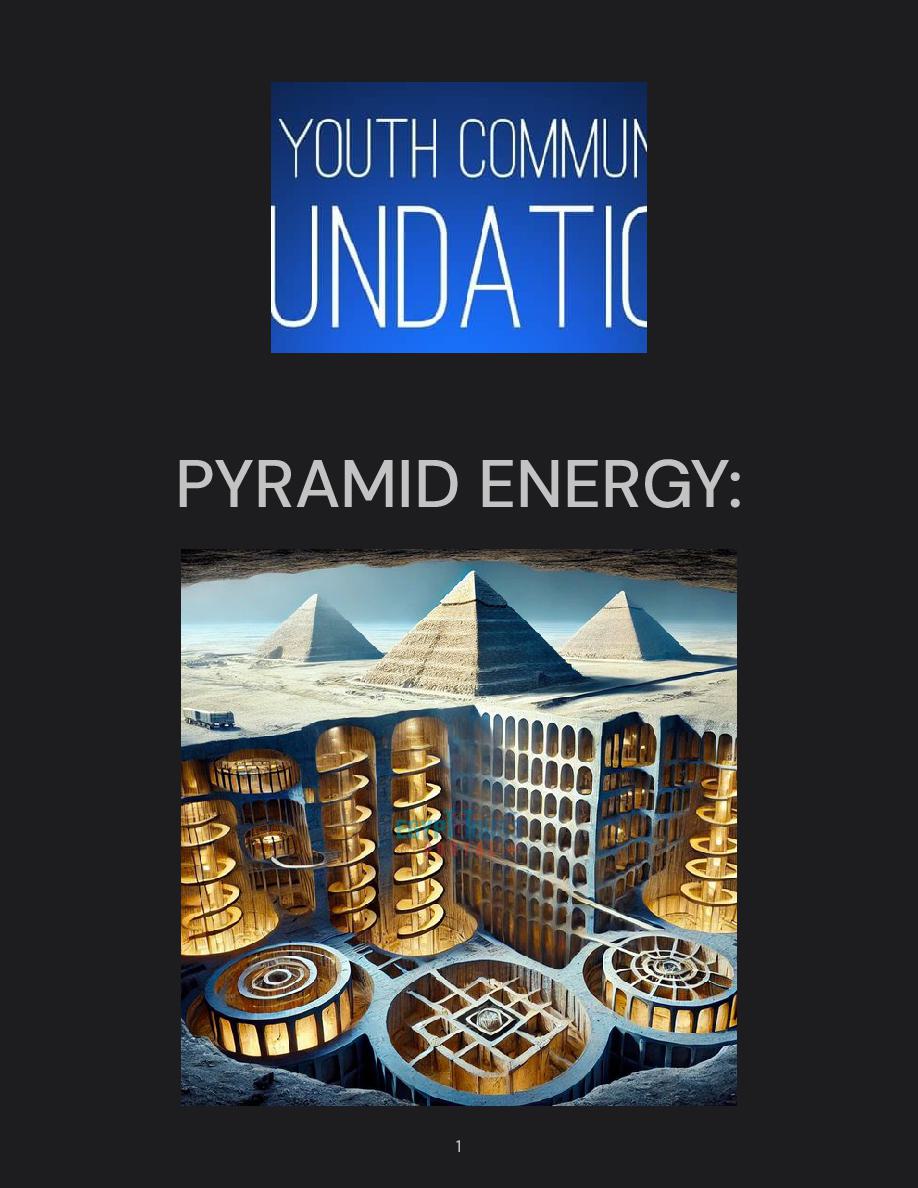
Pyramid Energy
28 pages
8.5"x11" - Softcover w/Glossy Laminate - Color Trade Book
Price: $16.51 Gold Member Price: $14.86
About the Book
Pyramids capture curiosity for a reason: their sloped faces, sharp edges, and wide base-to-apex geometry interact with heat, air, light, loads, and even electromagnetic fields in distinctive ways. This lesson transforms that curiosity into hands-on science. You will explore how pyramid shapes compare with cubes, spheres, cones, cylinders, and flat plates through a set of structured, classroom-ready or at-home experiments. Each activity includes objectives, materials, step-by-step procedures, and key physics concepts. Along the way, guidance on observation, safety, and data collection will help you build reliable evidence and make sense of the results.
Features & Details
- CreatedMar-25-2026
- PublishedMar-25-2026
- Format8.5"x11" - Softcover w/Glossy Laminate - Color Trade Book
- ThemeCatalog
- Sales TermEveryone
- Preview Limit28 pages
About Author

Messages from the Author
No author messages are available for this book.
Reader's Comments
Log in or create an account to add a comment.